Wednesday, February 19, 2025

project schedule

The past 2 weeks have gone by so fast and now that the scheduling part of the project is here I know its getting serious. Me and Julio have decided on what we are going to do and when its going to be done. It was a little hard to come up with the schedule since we both play sports and it takes time out of filming.
We decided to do our blog posts during the week and Friday, Saturday, and Sunday nights will be when we film. Here is the schedule we have laid out for ourselves:

Week Three (2/10-2/16)

Blog posts

  • Four postings
  • Reflection post about group meeting #1 (if you are not in class, create a research post of your choice)
  • Research post about one media theory that you wish to integrate into your project 
  • Post summarizing your project idea
  • Post including your script or storyboard
  • No filming will be done since we both have sporting events this weekend

Week Four (2/17-2/23)

Blog Posts

  • four postings
    • planning post focusing on character development
    • planning post focusing on mise-en-scene element (costume, set, props, lighting, etc.)
    • planning post focusing on mise-en-scene element (costume, set, props, lighting, etc.)
    • Planning post focusing on audio
  • This weekend we can only film Saturday night because I have a tournament in fort Myers all weekend

Week Five (2/24-3/2)

Blog Posts

  • Four postings
    • Planning post of your choice (see blog list)
    • Production post of your choice (should illustrate production process) 
    • Production post of your choice (should illustrate production process) 
    • Production post of your choice (should illustrate production process) 
  • By this time all our props and equipment will be ready. Me and Julio are now free to film every night of the weekend

Week Six (3/3-3/9)

Blog Posts

  • Four postings
    • Production post of your choice (should illustrate production process) 
    • Post-production process post
    • Post-production process post
    • Research for #1 question of CCR post
  • By this weekend we will have the majority of the opening finished and try to polish and mistakes made while filming

Week Seven (3/10-3/16)

Blog Posts

  • Four postings  
    • Research for #2 question of CCR post
    • Research for #3 question of CCR post
    • Research for #4 question of CCR post
    • Post discussing CCR production ideas
  • Now that we are done filming we don't have to worry about the weekend because all that's left is editing. We can work on this during the week together in class.

Week Eight (3/17-3/25)

Blog Posts

  • Four postings
    • Post about production of CCRs
    • Post about post-production of CCRs
    • Post with final reflection on project
    • Post with links to CCR’s and film opening
  • Finish up the editing together over video calls and we are done with the project

Tuesday, February 18, 2025

group meeting

 Today in class our teacher put us in random groups to discuss ideas for everyone's film opening. I was paired with 4 other students who's names are Chandni, Fernanda, Nicholas, and Nina. All 4 of them had really good ideas and I'm excited to see how there films turn out.

In our groups we went around and talked about our film idea and then the other group members would ask questions and give recommendations to help with the films. All my group members had good ideas for there film opening. Nico and Nina's film ideas were the ones who stuck out the most to me. Nico was going for something that is inspired by the film smile and Nina wanted to go for more of a breaking bad kind of film.

The purpose of these groups were so all of us students could come together and help with ideas and recommendations for each others film. the ideas that Nina and Fernanda especially stood out to me. since some of my filming involves me being at a movie theatre Nina told me to do an establishing shot of the amc logo to establish the setting. For the ending of my opening I wanted to include a newspaper that shows there are 2 serial killers at large and Fernanda told me I should film a kid on a bike throwing the newspaper instead of just zooming in on it from a black screen. I really do like this idea however I don't think it will be able to fit in my 2 minute opening.

overall I really liked the idea of discussing with my classmates because I get a sense of what everyone around me is doing and at the same time can have them help me or I help with ideas for our films.

Monday, February 10, 2025

research/analyze/discuss three film openings to match my genre

Hello to all the people reading this. This is the second week of our portfolio project. The genre I have chosen is horror, so three film openings that I think do a good job engaging the audience and preparing them for the story to come is Scream(1996), The Texas Chain Saw Massacre (1974), Halloween (1978)

SCREAM (1996)

One of the most iconic opening scenes in horror movies is found in Scream (1996). It begins with a straightforward, well-known scene: Casey Becker, a teenage girl, is home alone herself when she receives an odd phone call. It appears harmless at first, but it soon becomes frightening.

The sudden death of Drew Barrymore's character, Casey, is among the biggest shocks. Audiences anticipated her to be the protagonist because she was the most well-known actress in the film. No one is safe, as demonstrated by the early death of her.

This moment establishes the mood for the entire film, making it more than just a spooky beginning. It's startling, clever, and shows you that Scream isn't your average horror movie.

TEXAS CHAINSAW MASSACRE (1974)

The opening moments of The Texas Chain Saw Massacre (1974) do more than simply set the scene; they make you feel uncomfortable. The movie creates fear with unsettling images, creepy narration, and eerie sound design rather than rushing right into action.
                                                                                                                                                                     The terrifying voice-over that states the events are real at the beginning gives the horror film a terrifying realistic vibe. After that, there are the weird bursts of decaying corpses, each followed by that recognizable, startling camera noise.                                                                                                                                                                                                                                                                                       It's nightmare material in addition to being scary. In addition to the unpleasant mood created by the scorching Texas heat and desolate surroundings, the creepy radio broadcast about grave robbers adds to the authenticity. The movie allows anxiety to gradually creep in rather than killing the audience right away, particularly when the group picks up a crazy hitchhiker. 
HALLOWEEN (1978)


Halloween (1978) opens with a great display of shock and tension. It puts us into Michael Myers' mind rather than just introducing him.

The movie opens with a long, continuous first-person shot showing a teenage girl being stalked by an unidentified individual. As he seizes a knife, walks through the house, and ruthlessly kills her, we see through his eyes. The major twist? Michael Myers, a six-year-old kid, is the murderer. Not only is the murder in this twist dreadful but it's also executed with exact precision.

The sequence is made considerably more unnerving by John Carpenter's ominous score and the slow, deliberate pacing. It's disturbing to watch young Michael stand in his clown outfit, blank-faced, while the mask is removed.
                                                                   

Camera techniques to improve the element of horror

Horror movies freak us out not just because of what’s happening, but because of how we see it. A tilted camera, a creepy shadow, or a zoom-in at just the right moment can totally change the way we experience fear.

1. High-Angle Shots – Making People Look Weak

Ever notice how some shots make a character look tiny and powerless? That’s a high-angle shot—the camera is looking down on them, making them seem vulnerable.

A great example? The Shining. When little Danny is riding his tricycle through the empty hotel hallways, the high angle makes him look lost in this massive, creepy place. It’s like the building itself is watching him. Super unsettling.

2. Low-Angle Shots – When the Monster Looks Huge

Flip that camera angle, and suddenly, the bad guy looks terrifying. A low-angle shot makes characters or objects look bigger, scarier, and more in control.

Think about Psycho. When Norman Bates stands at the top of the stairs, the low angle makes him seem super threatening—right before he does something awful. It’s a small trick, but it makes a huge difference.

3. Dutch Angles – When Everything Feels Wrong

Ever watched a scene where things just feel off, even if nothing super scary is happening? That’s probably because of a Dutch angle. It’s when the camera is tilted so the shot looks slightly slanted.

Movies like Insidious and The Third Man use this effect a lot. It’s an easy way to make the audience feel uneasy—like something bad is about to go down.

4. Close-Ups – Getting in Your Face

Close-ups are perfect for horror. They zoom in on a character’s face, their eyes, or even small details like a shaking hand, making the moment feel way more intense.

A great example? Jaws. That famous shot where the camera zooms in on Chief Brody’s shocked face when he sees the shark? That’s a close-up working its magic—locking us into his fear and making us feel it too.

5. Tracking Shots – That “Something’s Watching” Feeling

Ever get that creepy feeling that someone’s behind you? Tracking shots can do that too. This is when the camera follows a character, making it feel like we’re being stalked.

Halloween does this perfectly. The way the camera follows Laurie walking through her quiet neighborhood? Nothing is happening yet, but it still feels so tense, because we know something is coming.

6. Shadows & Lighting – The Fear of the Unknown

Good lighting (or lack of it) is everything in horror. Too much, and it’s not scary. Too little, and we can’t see anything. The best horror movies find that perfect middle ground.

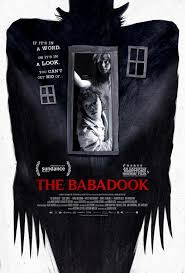
Nosferatu and The Babadook use shadows so well. You don’t always see the monster, but you see its shadow. And somehow, that’s even worse. Our brains fill in the blanks with something way scarier than any CGI could ever create.

credit analysis

Halloween (1978) – Slow and Creepy

Halloween by John Carpenter demonstrates that sometimes the simple is scarier. With a flickering jack-o'-lantern slowly zooming in against a black background and scary music playing, the opening credits are simple. The strong, orange typeface is a bit retro, but appropriate for a film about a murderer who stalks people on Halloween.

The credits roll slowly and steadily across the middle of the screen. Even though the director, actors, and crew are in the proper order, the entire situation is nevertheless unnerving. Tension is increased by the music, giving you the impression that something negative is going to happen. It's the ideal illustration of how, in the realm of horror, little really is more.                                       

                                          https://youtu.be/8_tGvktfjjk?si=11Uw7gxijRSmyRUb  


Se7en (1995) – Straight from a Nightmare

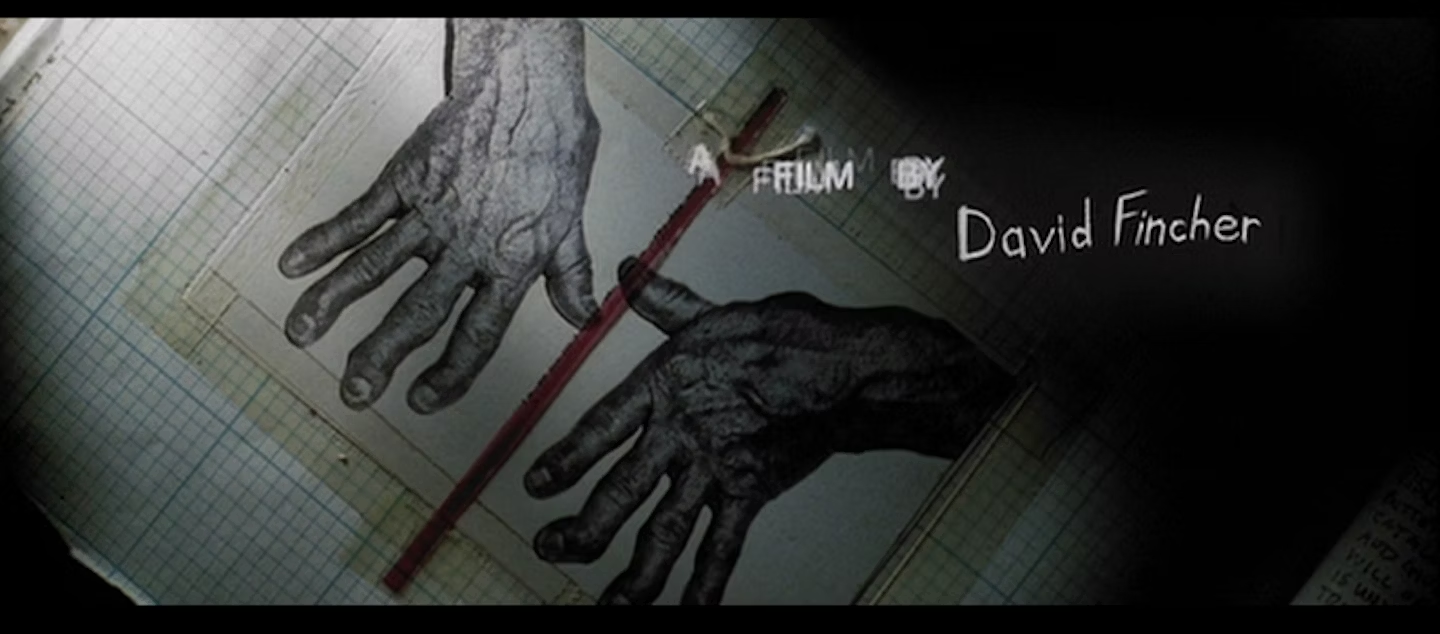
Unlike Halloween, Se7en throws you right into chaos. The opening sequence is an unsettling montage of a strange person writing in a diary, tearing up books, and doing other creepy things. The credits are all over the place, flashing, shaking, and appearing in unexpected areas. It is even more unnerving because the font appears to be sloppy handwriting.

You get the impression that you're stuck in a serial killer's head thanks to the gloomy, industrial music. The director's name usually comes at the beginning of the credits, but in this case, it appears at the end. Even the arrangement of the credits feels strange. This sequence is designed to make you uneasy, and it certainly does that.

                             https://youtu.be/FD7w2l88dl8?si=5tqp6rFgP-GQbP4a


A Nightmare on Elm Street (1984) – Meet Freddy Krueger

This one doesn't waste any time introducing the antagonist; the opening credits roll over close-ups of Freddy Krueger creating his iconic glove with razor-sharp blades; the setting is dark and shadowy, and his face is never shown, which adds to the spooky atmosphere; the font is jagged, blood-red, and eerie, fitting the film's nightmarish tone; the credits appear normally over the footage, following a traditional order, but the disturbing imagery makes it much more terrifying.


Thursday, February 6, 2025

Choosing a genre

 Ever since I can remember I've always liked horror movies over any other genre. I remember the first horror movie I watched was scream and it was with my whole family. Since then I've always loved movies that can make me scared and have to leave a few extra lights on in my room at night. On the other hand I have also always loved comedy films and being able to sit down with my family and laugh together. The genre I'm going to ultimately go with is horror because I think it would best illustrate the ideas I think of.

Horror films create powerful opening scenes immediately immersing the audiences into fear, suspense, and mystery. Most of the horror genres use color as an important tool in enhancing the mood and tension.

Most of the horror opening scenes start with high-intensity action, which forms a basis of some kind of danger. For example, Scream uses flashing red in the title to show violence, while Jaws makes use of dark murky waters foreshadowing a threat lurking inside. Often, cool, desaturated colors are used to create an eerie tone for the atmosphere, such as those of blue and gray hues. The utilization of contrast can also be depicted through darkened shadows with flashes of bright lights or pale figures to heighten the fear in horror films such as Hereditary.

These color choices, combined with tense sound design and striking visuals, allow horror opening scenes to immediately seize attention and create psychological unease right from the get-go, ensuring that the film leaves an indelible mark.

Wednesday, October 30, 2024

Justin's Genre Research Blog Activity


Genre: Horror

Genre Conventions – Content

Horror films are all about fear and the unknown. Here are some common themes and elements:

  • Monsters and Creatures: These can range from ghosts to vampires to serial killers.
  • Psychological Fear: Many horror films focus on what’s happening inside a character's mind.
  • Isolation: Characters often find themselves alone, cut off from help.
  • Survival: Protagonists are usually trying to survive a terrifying situation.
  • Jump Scares and Suspense: These techniques keep viewers on the edge of their seats.

Genre Conventions – Production Techniques

Horror movies use specific techniques to create a creepy feel:

  • Cinematography: Low lighting and unusual camera angles make things feel tense.
  • Sound Design: Eerie sound effects and sudden loud noises ramp up the fear.
  • Editing: Quick cuts and fast pacing increase anxiety.
  • Special Effects: Practical effects (like makeup for blood and gore) are often used alongside CGI for supernatural scenes.

Institutional Conventions – How is Genre Marketed

Horror films are marketed in unique ways such as:

  • Trailers: They focus on jump scares and thrilling moments to attract viewers.
  • Posters: Dark imagery and iconic symbols (like creepy masks) create intrigue.
  • Social Media: Engaging posts that play on fear, like creepy stories or polls.
  • Merchandising: Items like t-shirts, toys, and collectibles that tap into the movie’s themes.

Film Sample #1: "The Shining" (1980)

Analysis: Directed by Stanley Kubrick, "The Shining" is a classic horror film that explores themes of madness and isolation. The Overlook Hotel serves as the perfect eerie setting. The cinematography creates a disorienting feel, while the unsettling soundtrack builds tension. Marketing for the film emphasized Jack Nicholson's chilling performance, making it iconic in the horror genre.

Film Sample #2: "Hereditary" (2018)

Analysis: "Hereditary," directed by Ari Aster, mixes psychological horror with family drama. It dives deep into themes of grief and trauma. The slow pacing and shocking moments keep the audience on edge. The film’s use of framing and haunting music enhances the unsettling atmosphere. Its marketing focused on the emotional impact and psychological scares, presenting it as a fresh take on horror.

List of 5-7 Other Film Examples within the Genre

  1. "Get Out" (2017) - A social thriller that combines horror with commentary on race.

  2. "A Nightmare on Elm Street" (1984) - Introduces the character Freddy Krueger, who haunts dreams.

  3. "The Exorcist" (1973) - A classic about demonic possession and the battle between good and evil.

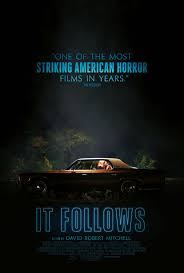
  4. "It Follows" (2014) - A modern horror film that explores themes of inevitability.

  5. "The Babadook" (2014) - Deals with grief and motherhood through a supernatural lens.

  6. "Sinister" (2012) - A writer discovers a film that connects to a series of murders.

  7. "The Conjuring" (2013) - Based on real events, it focuses on hauntings and paranormal investigators.

Creative critical reflection

 This is a ccr of a vogue like interview https://youtu.be/5_yf9KQH1w4?si=oKbZb7rLQCyiaDRe This is a ccr of a PowerPoint with a voiceover htt...